Finance

How to Use a Bill Calendar to Stop Late Fees and Overdrafts From Quietly Eating Into a Budget That Otherwise Looks Fine on Paper
A budget can look perfectly balanced and still get eaten alive by late fees and overdrafts. A bill calendar maps every due date by day, not just by month — and that timing shift changes everything.
By Robert Kim | Sep 09, 2026

Why Tracking Your Effective Hourly Rate Against Every Purchase Changes the Way You Decide What's Worth Buying
Translating every purchase into hours worked rather than dollars spent changes how affordable something actually feels. The effective hourly rate framework gives spending decisions a more honest foundation.
By Robert Kim | Sep 06, 2026

How Naming Your Savings Goals Changes the Emotional Weight You Assign Them — and Why That Makes You Less Likely to Raid Them
The name attached to a savings goal shapes how emotionally protected that money feels — and how willing you are to leave it alone when things get tight.
By Rachel Kumar | Sep 02, 2026

Why Keeping a Rolling Three-Month Spending Average Reveals Budget Drift That Monthly Snapshots Always Miss
A single month of spending data is too noisy to reveal slow financial drift. A rolling three-month average smooths out the irregularity and surfaces the gradual trends that monthly snapshots consistently miss.
By Robert Kim | Aug 29, 2026

How Naming Every Budget Category After a Specific Outcome Instead of a Spending Type Changes the Way You Decide to Spend
Renaming budget categories after specific life outcomes instead of spending types changes the decision happening at the moment of purchase — and that small shift has a surprisingly large effect on how money actually moves.
By Robert Kim | Aug 26, 2026

Why Treating Irregular Windfalls as Invisible Income Is the Fastest Way to Accelerate a Savings Goal
Irregular windfalls — tax refunds, bonuses, cashback payouts — tend to vanish faster than earned income. Treating them as invisible by redirecting them before they reach your checking account is one of the most effective ways to accelerate any savings goal.
By Robert Kim | Aug 23, 2026

What a Net Worth Snapshot Actually Tells You — and Why Tracking It Quarterly Changes How You Make Spending Decisions
A net worth snapshot is more than a single number — reviewed quarterly, it becomes a practical tool that reshapes how you think about spending, saving, and paying down debt.
By Amanda Foster | Aug 20, 2026

How the 50/30/20 Rule Breaks Down for Single-Income Households in High Cost-of-Living Cities — and What to Use Instead
The 50/30/20 budgeting rule assumes that half your income covers your needs — an assumption that breaks down fast for single-income households in expensive cities. Here's what actually works instead.
By Marcus Chen | Aug 17, 2026

What a Debt Avalanche Actually Looks Like Month by Month and Why the Math Makes It the Fastest Path Out
The debt avalanche method targets your highest-interest balance first, and the math behind it makes it the lowest-cost path out of multiple debts — here's what each phase of repayment actually looks like.
By Marcus Chen | Aug 14, 2026

How Micro-Saving Automations Under Five Dollars a Day Build Meaningful Emergency Funds Without Feeling the Drain
Saving under five dollars a day through smart automations can quietly build a meaningful emergency fund — no willpower required and no dramatic budget overhaul needed.
By Marcus Chen | Aug 11, 2026

What the Debt Avalanche Method Actually Looks Like Month by Month When You Have Multiple Balances
The debt avalanche method is one of the most efficient ways to pay off multiple balances — but it's easier to trust when you can see exactly what it looks like in practice, month after month.
By Marcus Chen | Aug 08, 2026
How Keeping a Separate High-Yield Savings Account for Each Financial Goal Changes Spending Behavior
Assigning a dedicated high-yield savings account to each financial goal does more than organize money — it subtly reshapes spending behavior by making the cost of deviation concrete and visible.
By Robert Kim | Aug 05, 2026

The Case for Keeping a Small Dedicated Fun Fund Separate from Your Main Budget Categories
A dedicated fun fund — small, separate, and guilt-free — might be the quiet structural change that makes a budget actually sustainable long-term. Here's why it works.
By Marcus Chen | Aug 02, 2026

How to Use a Spending Audit to Find the Subscriptions and Auto-Renewals Quietly Draining Your Bank Account
A spending audit is one of the most effective ways to find forgotten subscriptions and auto-renewals quietly draining your account every month. Here's how to do it step by step.
By Sarah Mitchell | Jul 29, 2026

The True Cost of Lifestyle Creep: How Small Upgrades Quietly Delay Financial Goals
Lifestyle creep quietly erodes financial progress by turning small, reasonable upgrades into permanent spending commitments. Understanding how it works is the first step toward breaking the cycle.
By Michael Thompson | Jul 22, 2026

How Zero-Based Budgeting Exposes the Hidden Spending Leaks in a 'Normal' Month
Zero-based budgeting requires every dollar to be assigned before the month begins — and in doing so, it reveals the spending patterns that conventional tracking consistently misses.
By Marcus Chen | Jul 19, 2026

How to Use a Reverse Budget to Prioritize Saving Before You Ever See Your Paycheck
A reverse budget flips the traditional spending sequence by moving money into savings the moment your paycheck arrives — before you have a chance to spend it. Here's how to make the system work for your actual life.
By Robert Kim | Jul 16, 2026

How the Sinking Fund Method Helps You Stop Getting Blindsided by Predictable Expenses
The sinking fund method turns predictable irregular expenses into manageable monthly contributions, so you're never caught off guard by costs you already knew were coming.
By David Park | Jul 13, 2026

The Psychological Cost of Minimum Payments: What Credit Card Interest Really Takes from Your Future Self
Minimum payments keep accounts in good standing while quietly compounding debt over years. Understanding the true cost — financial and psychological — is what makes the difference.
By Chris Martinez | Jul 10, 2026

Threshold-Based Budgeting: A Smarter Way for Freelancers to Handle Irregular Income
Threshold-based budgeting replaces fixed monthly budgets with income tiers that tell you exactly what to do at every earning level — a smarter approach for freelancers and gig workers dealing with unpredictable pay.
By Marcus Chen | Jul 07, 2026

Wedding Gifts: How Much Should You Really Spend?
By Ethan Sawyer | Mar 12, 2026

Smart Strategies to Slash Your Grocery Bills
By Aiden Reese | Mar 09, 2026
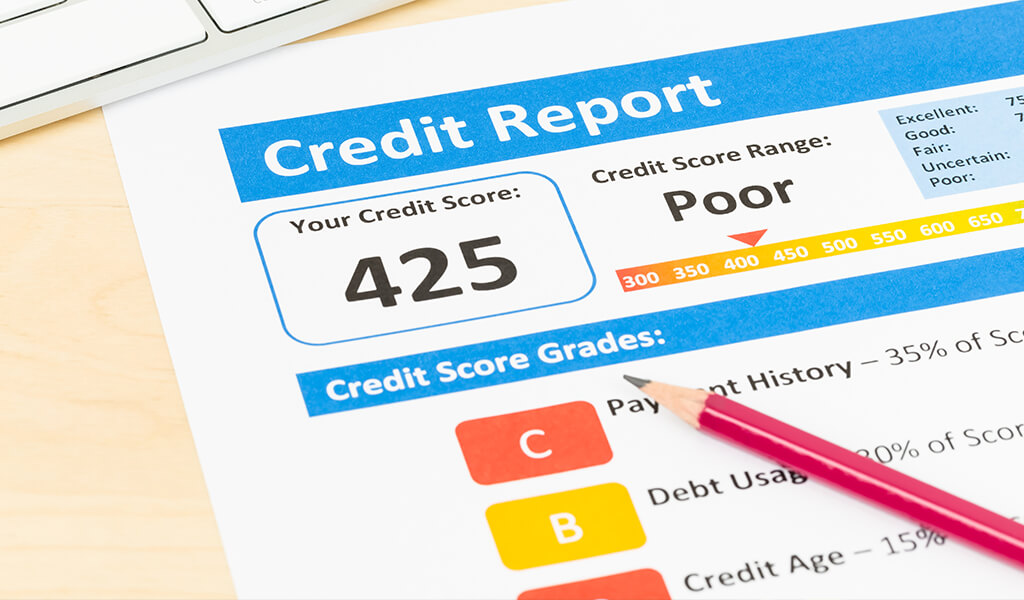
Credit Mistakes You May Not Realise You're Making and How to Avoid Them
By Aiden Reese | Mar 06, 2026

8 Habits Every Wealthy Person Lives By (and You Can Too)
By Lena Grant | Feb 16, 2026

Choosing a Financial Planner: Everything You Need to Consider
By Aiden Reese | Feb 16, 2026

The Financial Difficulties You May Face as a Digital Nomad
By Bryson Jenkins | Nov 11, 2024

Selling Items on Facebook Marketplace: Your Next Big Side Hustle
By Owen Clarke | Nov 11, 2024

Financial Implications to Think About Before Starting a Family
By Georgia Hayes | Nov 11, 2024