Retailers don't discount randomly. Behind every "limited-time sale" is a predictable calendar that repeats itself year after year, and once you understand how it works, you stop paying full price for things you could have waited a few weeks to buy. The frustrating part is that most shoppers never realize the system exists — they just react to whatever email lands in their inbox and assume that's the best it'll get. It almost never is.
Sale cycles are driven by inventory management, fiscal quarters, and seasonal demand patterns. Learning to read them doesn't require any special tools or insider access. It just takes a little observation and some patience.
Track Prices Before You Need to Buy
The single biggest mistake shoppers make is starting to research a product only after they've decided they want it. At that point, you have no baseline. You don't know if today's price is high, low, or middle-of-the-road. Start watching prices weeks or even months before you actually plan to purchase. Tools like Google Shopping's price history chart or browser extensions like Honey and CamelCamelCamel for Amazon give you a visual record of what that item has actually sold for over time. That history is your leverage.
Understand the Major Sale Seasons by Category
Different product categories hit their lowest prices at predictable times of year. Televisions bottom out around the Super Bowl and Black Friday. Appliances go on deep discount in September and October when new models arrive. Outdoor furniture and grills get marked down aggressively in August and September. Winter clothing hits clearance in January and February. Knowing which category you're shopping in — and when retailers historically clear that inventory — lets you plan purchases months in advance rather than reacting to whatever happens to be promoted right now.
Pay Attention to Fiscal Quarter Ends
Large retailers like Target, Best Buy, and Walmart operate on quarterly sales targets, and when they're behind on numbers, they discount to move volume. Quarter ends typically fall in late March, late June, late September, and late December. You'll often see flash sales and deeper-than-usual promotions during these windows, especially on items that have been sitting in inventory. This isn't a guarantee, but it's a pattern worth watching. Timing a non-urgent purchase to land near a quarter-end frequently results in better pricing than buying mid-quarter.
Watch How Retailers Use "Sale" as a Default State
Some retailers — especially in furniture, mattresses, and home goods — run so-called sales so frequently that the "original price" is essentially fictional. Wayfair and mattress brands like Nectar or Purple are well-known for this. The price you see on any given Tuesday is rarely meaningfully different from the price you'd see on a Friday labeled as a "weekend sale." Once you recognize this pattern, you stop feeling urgency around those banners. The real question becomes: what does this item actually sell for at its floor price, and when does that floor tend to appear?
Use Price Alerts Instead of Impulse Checking
Constantly checking a product page doesn't help you buy smarter — it mostly just tempts you to buy sooner. A better system is setting price alerts so the information comes to you. CamelCamelCamel lets you set email alerts for specific Amazon products when they hit a target price. Google Shopping has a "track price" feature that does something similar. Honey has a Droplist function that watches items in your wishlist. Set your target price slightly below the historical average you've observed, then let the system do the waiting for you.
Learn to Recognize Manufactured Urgency
Countdown timers, "only 3 left in stock" warnings, and "sale ends tonight" banners are conversion tools, not honest signals. Many of these timers reset the moment they expire, and that stock warning is often automated by inventory software, not a reflection of actual scarcity. When you feel pressure to buy immediately, that's usually a good reason to pause. Genuine clearance sales — the kind where prices actually keep dropping — don't tend to come with dramatic countdowns. Real deal urgency is quiet; manufactured urgency is loud.
Keep a Simple Purchase Calendar for Big-Ticket Items
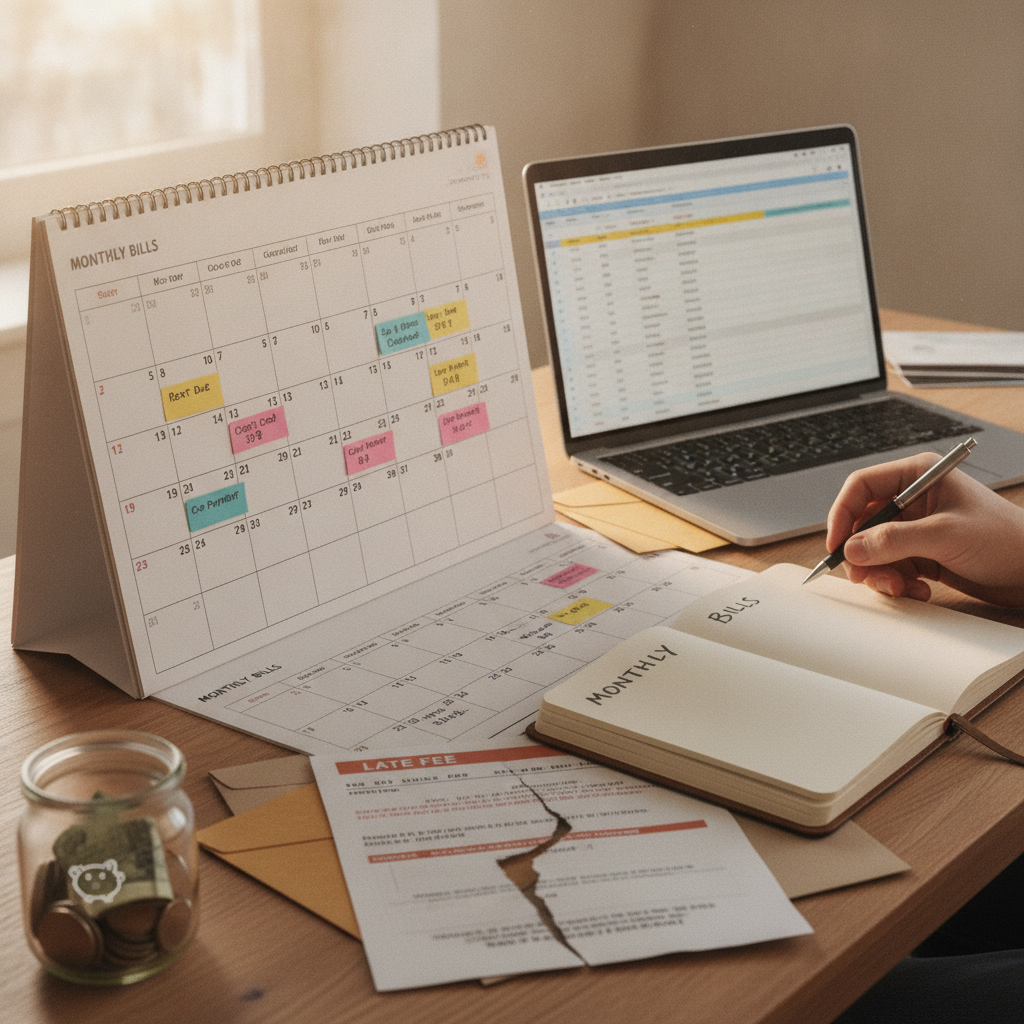
For anything over a certain spending threshold — a new laptop, a piece of furniture, a kitchen appliance — give yourself a planning window of at least 60 days. Write down what you want, note the current price, and mark out when the relevant sale seasons occur. This doesn't need to be a complicated spreadsheet. A note in your phone works fine. The act of writing it down creates a small but meaningful barrier between wanting something and buying it, which gives the sale cycle time to work in your favor.
Don't Confuse a Good Deal With the Best Deal
A 20% discount feels satisfying, but if that same item hits 40% off every Black Friday, you've paid double what you needed to. Context is everything. A deal is only as good as the alternative prices you're aware of. This is where your price history research pays off — not just in finding discounts, but in recognizing when a discount is actually the floor versus just a step down from an inflated baseline. Patience and information are a more powerful combination than any coupon code.
Once you start seeing retailer pricing as a system rather than a series of random events, the whole experience of shopping changes. You stop reacting and start planning. Pick one upcoming purchase — something you've been considering but haven't bought yet — and spend a few minutes pulling its price history. That one small habit is where smarter shopping begins.