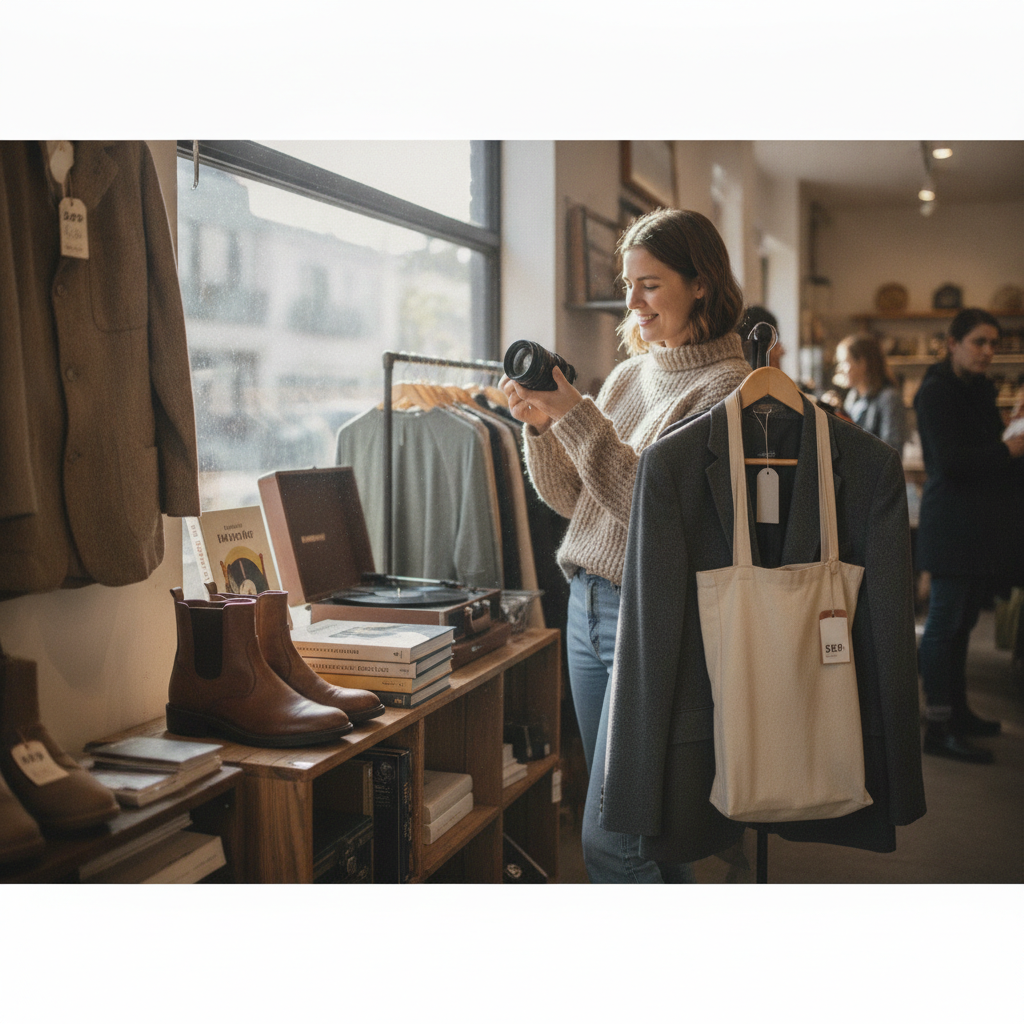
Buying secondhand isn't a compromise — for a surprising number of product categories, it's simply the smarter purchasing decision. The gap between new and used pricing in certain markets is so wide, and the quality difference so negligible, that buying new often means paying a premium for nothing more than a fresh box. Building a secondhand-first rule means deciding in advance which categories you'll always shop used before considering retail, so the habit runs on autopilot instead of willpower.
Identify the Categories Where Depreciation Works for You
Not every product category rewards the secondhand buyer equally. The key is finding categories where items lose significant value the moment they leave the store but retain nearly all of their functional life. Consumer electronics, furniture, books, sports equipment, and musical instruments are strong examples. A guitar bought from Guitar Center three years ago and listed on Facebook Marketplace plays identically to a new one. A solid wood dining table from a local estate sale doesn't care that someone else owned it first. Identifying these categories before you need to buy removes the temptation to default to retail out of habit.
Start With Tools and Equipment You Use Occasionally
Power tools and outdoor equipment are among the best secondhand categories because many sellers used them a handful of times before storing them permanently. A drill press, a circular saw, or a quality air compressor bought through OfferUp or Craigslist often shows almost no wear. The original owner's light use becomes your gain. For occasional-use tools especially — the kind you reach for once or twice a year — paying full retail is almost never justified. Secondhand pricing on lightly used tools routinely runs at thirty to fifty percent of new retail, with no meaningful sacrifice in performance.
Apply the Rule to Children's Clothing and Gear
Children outgrow clothing and gear faster than either wears out, which makes this one of the most reliably value-rich secondhand categories. A winter coat worn through one season, a pair of barely-used hiking boots in the next size up, a jogging stroller with a few months of use — these items hit resale markets in excellent condition simply because children don't stay the same size long enough to wear things out. ThredUp and Poshmark both carry extensive children's sections with strong filtering tools. Buying used here isn't cutting corners; it's recognizing that the product lifecycle doesn't match the child's growth rate.
Build Your Rule Around Physical Condition, Not Age
A common mistake is letting the age of an item override an honest assessment of its condition. A ten-year-old cast iron skillet in good shape will outlast a brand-new non-stick pan. Condition is the only metric that matters. When evaluating secondhand items, focus on whether the item functions fully, whether wear is cosmetic or structural, and whether any missing parts are easily replaceable. Age alone isn't a useful signal — especially for furniture, cookware, and hand tools, which are built to last decades when maintained properly. Training yourself to evaluate condition over age sharpens your secondhand judgment quickly.
Use Specific Platforms for Specific Categories
Secondhand shopping works best when you match the category to the right marketplace. eBay remains the most reliable platform for electronics, cameras, and collectibles because its seller rating system and buyer protections reduce risk. Facebook Marketplace and Craigslist are better for large furniture and appliances where local pickup avoids shipping costs. Poshmark dominates for clothing, while ThredUp's consignment model adds a layer of quality curation. For musical instruments, Reverb is the category-specific platform most serious buyers use. Knowing where to look for each category saves time and surfaces better deals than treating any single platform as a universal solution.
Set a Waiting Window Before Buying New
One of the most practical ways to enforce a secondhand-first rule is to impose a short waiting period before buying anything new in your target categories. If you need a bookshelf, give yourself two weeks to check local listings before ordering from a retailer. If you want a road bike, spend a month watching the used market in your area before walking into a shop. This window doesn't mean you'll always find what you need secondhand — sometimes you won't — but it ensures the secondhand option gets a real chance instead of an afterthought. Most of the time, the waiting pays off.
Know When Secondhand Doesn't Make Sense
A secondhand-first rule works because it's targeted, not universal. Certain categories genuinely warrant buying new: car seats and safety helmets where unknown crash history matters, mattresses where hygiene concerns are legitimate, and any category where warranty coverage is central to the value proposition. Running shoes beyond light use lose cushioning that's invisible to inspection. Critically, the rule isn't about buying used at all costs — it's about defaulting to the secondhand market in categories where the trade-off is consistently favorable. Knowing the exceptions makes the rule more trustworthy, not less useful.
Track Your Savings to Reinforce the Habit
Keeping a simple log of what you paid versus estimated retail for secondhand purchases builds a feedback loop that reinforces the habit over time. A spreadsheet with the item, what you paid, and what the equivalent new item costs takes about thirty seconds per purchase. After a few months, the cumulative gap becomes visible and motivating. This isn't about obsessing over numbers — it's about making the financial benefit concrete rather than vague. Seeing real savings across a few dozen purchases makes it much easier to stay patient when a new item is tempting and a secondhand option is just a few days away.
Building a secondhand-first rule is less about frugality as a personality trait and more about knowing which categories consistently reward patience. Start with one or two categories where the logic is obvious — tools, kids' gear, furniture — and let the habit expand naturally from there. The market for quality used goods is bigger and more accessible than most shoppers realize, and the savings compound quietly every time you check the secondhand options before clicking buy.