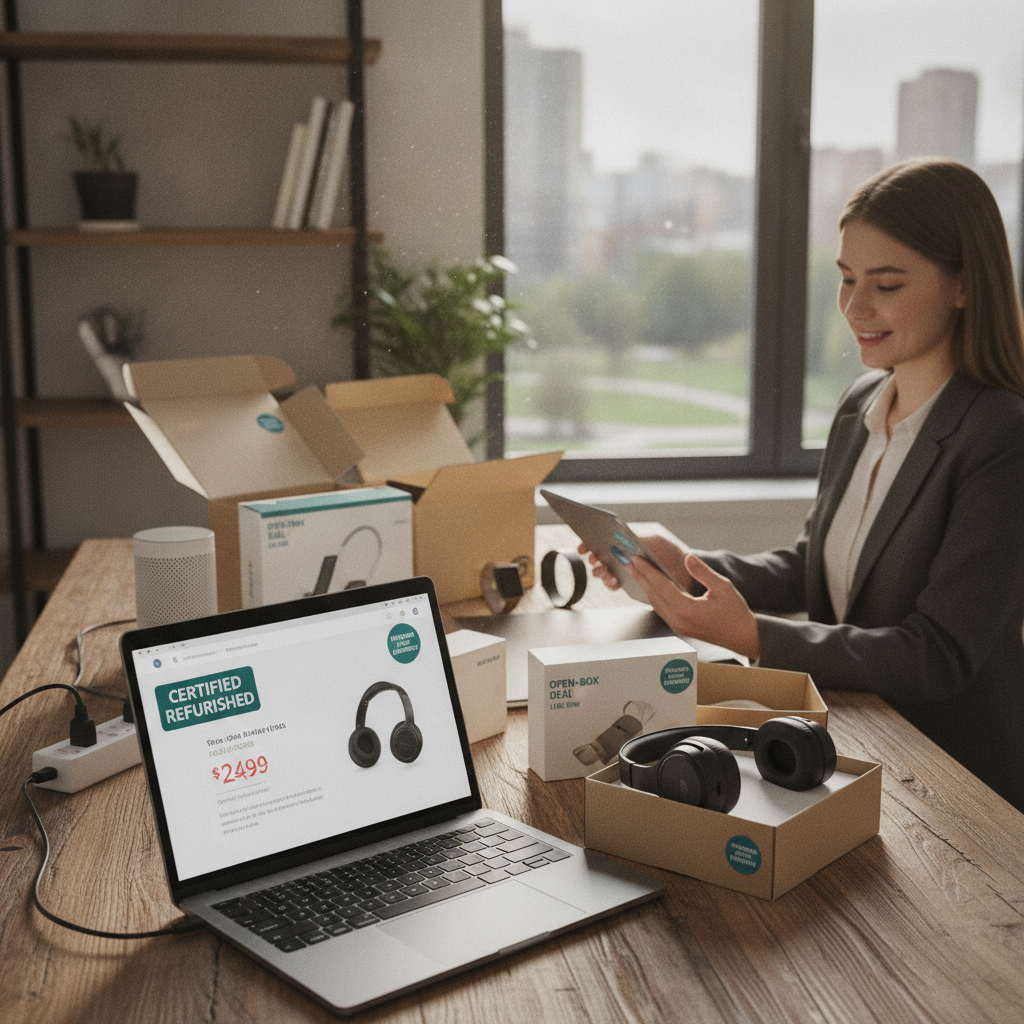
Most people leave serious money on the table every time they buy electronics at full retail price, and the irony is that a better option is sitting right there on the same website, a few clicks away. Open-box and certified refurbished products have quietly become one of the most reliable ways to get high-quality tech at a meaningful discount — yet a lot of shoppers scroll past them without a second thought. That hesitation is mostly habit, and once you understand how these programs actually work, it's hard to justify paying full price for many electronics again.
Understanding What "Refurbished" Actually Means
The word "refurbished" carries a lot of baggage it doesn't deserve. Most people picture something broken and slapped back together, but certified refurbished programs — especially those run by manufacturers like Apple, Dell, or Samsung — involve rigorous inspection, component replacement, and testing before a product ships again. These aren't discarded units sold as-is. They're products that went through a return or quality check process and came out meeting the same functional standards as new. The certification part is what matters most, and it's worth reading the specific program details before you buy.
How Open-Box Differs from Refurbished
Open-box is a slightly different category, and it's worth keeping the distinction clear. An open-box item is typically a product that was purchased, returned in near-new condition, and put back on sale — often because the buyer changed their mind rather than because anything was wrong. Retailers like Best Buy list open-box items with condition grades, ranging from excellent to fair, so you know exactly what you're getting. These items usually have all original accessories and minimal to no visible wear. Because they can't technically be sold as "new," the price drops — sometimes significantly — even when the product is functionally indistinguishable from what came off the shelf.
Where to Find the Most Trustworthy Listings
Not all refurbished listings are created equal, and the source matters enormously. Manufacturer-certified programs — like Apple Certified Refurbished, Dell Outlet, or Lenovo Outlet — are generally the gold standard because the company itself stands behind the product. Amazon Renewed and Best Buy's open-box section are also well-regarded, with clear condition disclosures and return policies. Third-party sellers on marketplaces require more scrutiny; always check seller ratings, return windows, and whether a warranty is included. Sticking to established programs removes most of the guesswork and gives you a reliable safety net if something doesn't work out.
The Warranty Question You Should Always Ask
One of the biggest reasons people avoid refurbished electronics is the assumption that they come without protection. That's often not true. Apple's certified refurbished products, for example, come with the same one-year warranty as new devices and are eligible for AppleCare. Many manufacturer outlet programs mirror their standard warranty terms. Even third-party refurbishers increasingly offer 90-day to one-year coverage. Before you buy, confirm what warranty is included, whether it's backed by the manufacturer or the seller, and what the return policy looks like if the item arrives with an issue.
Categories Where the Savings Are Most Substantial
Refurbished savings aren't uniform across all product types. Laptops, smartphones, tablets, and monitors tend to offer the largest discounts relative to their new retail price — often in the range of 20 to 40 percent off. These are also categories where the products are well-documented, widely reviewed, and easy to verify the specifications on. Gaming consoles and home office equipment also appear frequently in refurbished channels. Consumer electronics with longer lifecycles — where last year's model still performs beautifully for most everyday tasks — are especially good candidates, because the discount doesn't come with any meaningful trade-off in real-world performance.
Using Price Comparison Tools to Confirm the Deal
A refurbished listing that looks like a deal might not be one if the new price has dropped since the refurbished unit was listed. This is where price tracking tools earn their keep. Extensions like Honey or CamelCamelCamel (for Amazon) let you check the price history of new versions so you can make a real comparison. If a refurbished laptop is 15 percent below a new model that has also dropped significantly in price recently, the math might not favor the refurbished option after all. Doing this quick check takes two minutes and ensures you're acting on an actual discount.
Reading Condition Grades Before You Commit
Retailers use grading systems to communicate the physical state of open-box and refurbished items, and understanding those grades prevents disappointment. Terms like "excellent," "good," and "fair" mean different things across platforms, so read the fine print rather than trusting the label alone. An "excellent" grade on Best Buy's open-box listings typically means no visible scratches and all accessories included. A "good" grade elsewhere might mean minor cosmetic wear that doesn't affect function. For items where appearance matters to you — like a laptop you'll use in public or a phone you won't put in a case — it's worth filtering for the highest condition tier.
Making Refurbished Part of Your Regular Shopping Habit
The shoppers who get the most out of refurbished and open-box deals treat these channels as a first stop rather than a fallback. Before buying any electronics at full price, it takes very little time to check the manufacturer's outlet page, Best Buy's open-box section, or Amazon Renewed for the same product. Setting up alerts through deal-tracking communities or browser extensions can surface options you'd otherwise miss. Over time, consistently shopping this way adds up to real savings — the kind that free up budget for other things without requiring you to compromise on what you actually own.
As more consumers grow comfortable with certified refurbished programs, retailers and manufacturers are investing more in making these channels polished and trustworthy. Expect to see better condition disclosures, longer warranty terms, and more product categories appearing in refurbished programs over time. The stigma is fading, and the infrastructure around these purchases keeps improving. For anyone who wants quality tech without paying a premium for a factory-sealed box, the refurbished market is only going to get harder to ignore.