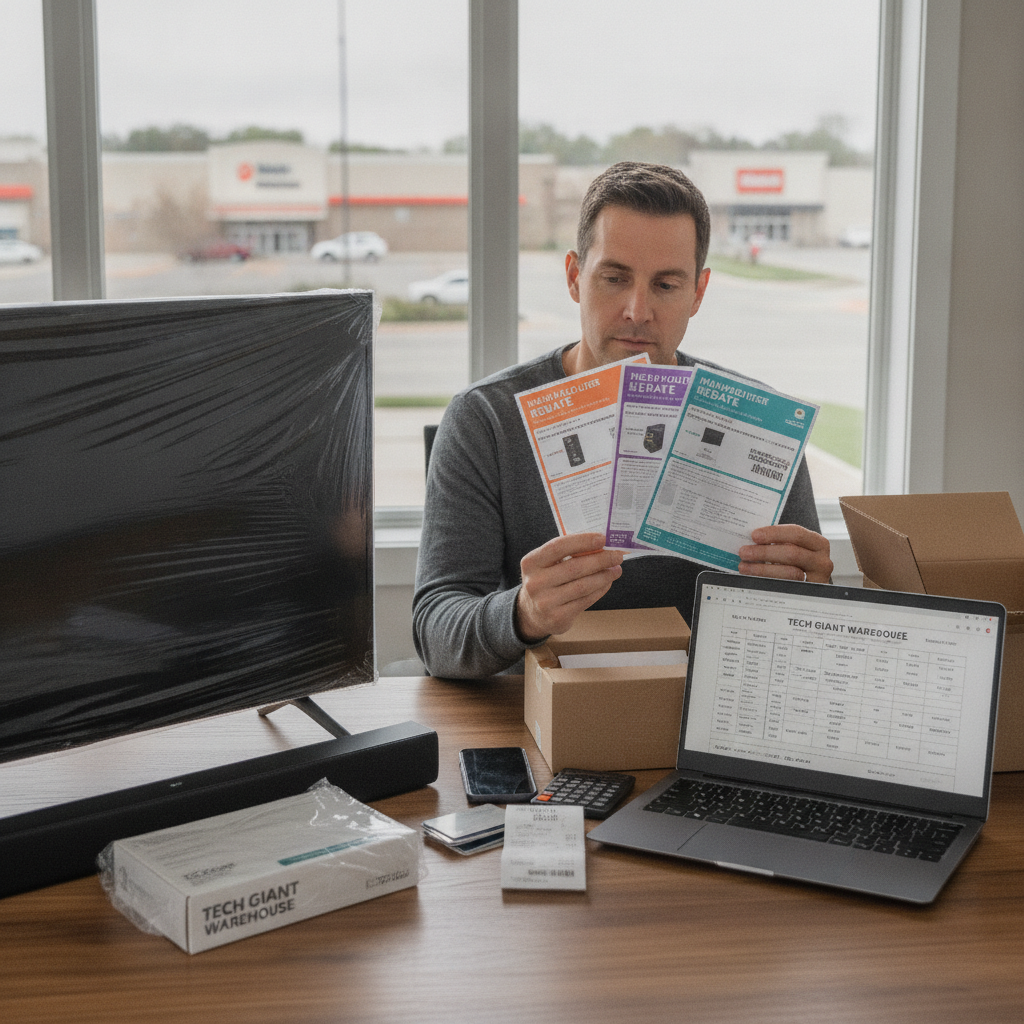
Big-box electronics pricing is rarely as straightforward as the shelf tag suggests. Between manufacturer rebates, store promotions, cashback portals, and loyalty rewards, the sticker price and the true out-of-pocket cost can be surprisingly far apart — if you know how to work each layer deliberately. Most shoppers grab whatever's on sale and move on. The ones who consistently pay less treat the checkout process as the starting point, not the finish line.
Understand What Rebate Stacking Actually Means
Rebate stacking is the practice of combining multiple discount mechanisms on a single purchase so each one reduces the effective cost independently. A manufacturer rebate, a store sale, and a cashback app each operate in separate systems — which means they can often apply to the same transaction simultaneously. The key word is "simultaneously." This isn't about exploiting loopholes; it's about understanding that these programs were designed to attract buyers, and using all of them at once is exactly the behavior they're built to encourage.
Start With the Manufacturer's Current Rebate Offers
Brands like Samsung, LG, and Dyson run rebate programs constantly, especially around major appliance and electronics categories. These are usually listed on the manufacturer's website directly or through a rebate fulfillment partner like Rebatekey or MyRebates. Before you set foot in a Best Buy or Costco, check whether the specific model you want carries an active rebate. Rebate timing matters — they often run in windows tied to product cycles, so a refrigerator or laptop released six months ago may have a more generous rebate than the newest version on the shelf.
Layer Store Sales on Top Before You Commit
Once you've confirmed an active manufacturer rebate, compare the item's current price across retailers. A sale at Best Buy doesn't automatically mean that's the lowest base price. Target, Walmart, and Costco frequently run their own promotions on the same models, and the starting price before rebate matters because the rebate amount is fixed. A lower pre-rebate price plus the same rebate equals a lower final cost. Price-matching policies at many big-box retailers mean you can sometimes bring a competitor's price to the store where your manufacturer rebate is easiest to submit.
Add a Cashback Portal Before You Click Buy Online
If you're buying online — which is where rebate stacking becomes especially clean — run the purchase through a cashback portal like Rakuten or TopCashback before completing the transaction. These portals track your purchase through a referral link and deposit a percentage of the sale back into your account after the return window closes. This cashback is entirely separate from the manufacturer rebate and any store loyalty points. Stacking all three turns what looked like a modest sale into a meaningful discount chain.
Use Store Credit Cards Strategically, Not Automatically
Some big-box store cards offer an elevated rewards percentage on purchases made within that store. A Best Buy credit card, for example, may offer reward points that translate into future store credit. These points stack on top of everything else — the sale price, the rebate, the cashback portal — but only if you pay the balance in full before any interest accrues. Carrying a balance immediately cancels out every discount you earned, so this layer only makes sense for buyers with the cash already set aside to pay it off.
Track the Rebate Submission Deadline Religiously
Manufacturer rebates are deliberately cumbersome. Many require a paper submission with a receipt, a UPC barcode cut from the box, and a postmark deadline that can be as tight as 30 days from purchase. Missing the deadline means forfeiting the rebate entirely, which is exactly what manufacturers are counting on. Set a phone reminder the day you buy, photograph every document before mailing, and use certified mail when the rebate value is worth the small extra cost. Digital rebate submissions through manufacturer portals are more forgiving, but they still expire.
Check Open-Box Availability Before Buying New
Open-box electronics at retailers like Best Buy often carry a reduced price that already sits below the sale price on new units — and manufacturer rebates sometimes apply to open-box purchases depending on the brand's terms. An open-box TV or laptop in "excellent" condition combined with an active rebate and a cashback portal can drop the effective cost considerably below what any standard sale would offer. Always verify the rebate terms for open-box eligibility before assuming it applies; some manufacturers require original sealed packaging for submission.
Document Every Layer Before You Forget
The biggest mistake in rebate stacking isn't missing a deal — it's failing to track what's pending. Keep a simple note for each purchase: the rebate amount, submission deadline, cashback portal rate and confirmation number, and any loyalty points expected. Rebate checks can take six to ten weeks to arrive. Cashback portal payouts have their own timelines. Without documentation, it's easy to forget a submission entirely or lose track of whether a rebate ever posted. A basic spreadsheet or even a notes app entry takes two minutes and protects every dollar you worked to save.
The gap between a product's shelf price and its true cost is real, and closing it consistently comes down to treating each discount layer as a separate step rather than hoping a single sale does all the work. Manufacturer rebates, stacked onto base sale prices, amplified by cashback portals and strategic store rewards, turn a good deal into a genuinely low price. The process takes more attention than a typical checkout, but every layer you capture is money that stays in your account rather than on a retailer's balance sheet.