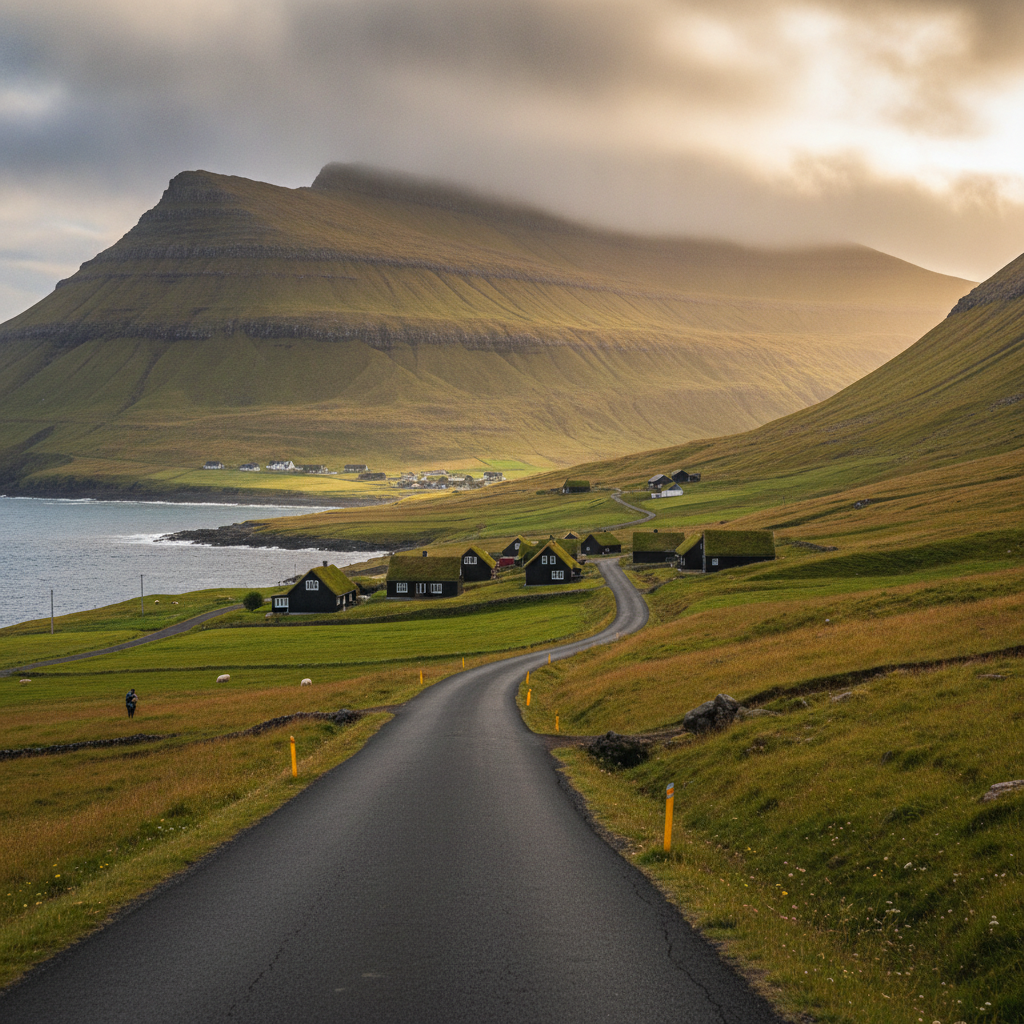
Some destinations build a reputation faster than their infrastructure builds capacity to handle it. The Faroe Islands sit squarely in that category — a place that went from niche photography obsession to mainstream bucket-list mention in the span of just a few years, yet still hasn't fully adjusted its pricing or crowd patterns to match the hype. Late August is where that gap becomes most useful to you.
The Weather Finally Works in Your Favor
The Faroe Islands have a reputation for unpredictability, and most of it is deserved. Winter brings relentless Atlantic gales, spring teases with sudden clearing and sudden soaking, and even early summer can feel more like shoulder season than peak. But late August — roughly the last two weeks of the month — sits in a narrow band where weather conditions become genuinely manageable for outdoor exploration without requiring specialist gear or a tolerance for misery.
Average temperatures hover in the low-to-mid teens Celsius, which means layering works well and the dramatic green hillsides are still lush rather than wind-battered. Rain remains a constant companion, but late August sees more partial clearing than the months before or after it. The long Nordic daylight is beginning to shorten, but you still get usable evening light, which matters enormously when the entire appeal of the islands is visual.
What this means practically is that you can plan hikes, boat trips, and village walks with a reasonable chance of execution rather than spending half your trip rescheduling around weather. That reliability is worth more than it sounds when you're working with a tight itinerary.
Crowds Thin Before Prices React
Tourism patterns in the Faroes follow a curve that peaks in July. By the time late August arrives, a meaningful portion of European summer holiday travelers have already returned home — school schedules alone pull a large cohort out of the market. What this creates is a window where the islands are still fully operational in terms of guesthouses, ferry services, and restaurant hours, but noticeably quieter along the most photographed routes.
Tórshavn, the capital, loses some of its compressed midsummer energy and returns to something closer to its actual pace. The trail to Sørvágsvatn — the famous optical-illusion lake that seems to hang above the ocean — becomes approachable without arriving before dawn to beat the crowds. Boat tours to the puffin colonies near Mykines still run in the first half of August but wind down by late month, which either rules out that specific experience or frees you from competing for limited spots, depending on your priorities.
Critically, accommodation prices tend to lag the crowd thinning by a few weeks. Hotels and guesthouses often hold July-adjacent rates through early August, but by the third or fourth week, you start seeing availability open up without the corresponding price drop happening yet. That lag is your opportunity. Booking platforms like Booking.com and Hostelworld both list Faroese properties, and searching in the late August window rather than the peak July frame often reveals the same quality listings at noticeably lower nightly rates.
Getting There Without Paying Peak Fares
Flights to the Faroe Islands route primarily through Vágar Airport, with Atlantic Airways operating as the main carrier and connections available through Copenhagen, Reykjavik, and Edinburgh. The flight market to the Faroes is small enough that prices can move in unpredictable ways, which cuts both directions — you occasionally find genuine value, but you can also overpay if you book without tracking.
Using Google Flights' price calendar view for late August departures is one of the most straightforward ways to identify the cheapest entry points within the window. The calendar display makes it easy to spot whether flying midweek versus weekend produces meaningful savings, and it often does on thin routes like this. Setting a fare alert through Google Flights or Hopper for your target travel dates a few months out lets you catch any downward movement without obsessively checking.
The other practical consideration is that Vágar to Tórshavn involves a combination of tunnel and ferry that adds time and a small additional cost. Building that into your arrival-day plan rather than treating it as a surprise keeps your first day from feeling like a logistical scramble.
Spending Smart Once You Arrive
The Faroe Islands are not cheap by global standards. The króna tracks closely with Danish pricing, and most goods are imported, which pushes everyday costs higher than mainland Scandinavia in some categories. But late August creates some useful advantages on the ground.
Self-catering is genuinely viable and dramatically reduces daily spend. Tórshavn has a well-stocked supermarket where you can build meals around local fish, which is both the best-value and best-quality food available on the islands. Eating one main meal out per day and supplementing with self-prepared breakfasts and lunches can cut your food budget considerably compared to eating every meal in a sit-down restaurant.
Many of the islands' most compelling experiences are also free or low-cost. The hiking network across Streymoy, Eysturoy, and the smaller islands costs nothing to access and delivers the kind of scenery that budget travelers usually have to pay heavily to reach. The village of Gjógv and the cliffs at Enniberg are both accessible without fees, guided tours, or advance booking. Renting a car — which most visitors need for meaningful island-hopping — is often cheaper through local rental desks than international platforms, and late August availability is considerably better than midsummer.
Watching the Window Before It Closes
The Faroe Islands are not going to stay undiscovered. Infrastructure investment is ongoing, a growing number of travel media outlets are covering the archipelago as a headline destination, and awareness continues to build. That combination tends to push prices upward over time as demand catches up with supply. The late August pricing gap that exists now — where crowds thin before accommodation rates fully respond — is a product of a still-developing tourism market, and those conditions don't last indefinitely. If the Faroes have been sitting on your list, late August offers something genuinely rare: a place at or near the peak of its hype cycle where the conditions on the ground still reward travelers who time their visit thoughtfully. That overlap won't always be there, but it's very much there now.