Retail timing is rarely accidental, and nowhere is this more apparent than in the sporting goods category, where a predictable wave of post-resolution inventory clearance creates one of the most reliable discount windows in the entire shopping calendar. The second week of February represents a peculiar and powerful convergence of retail psychology, inventory pressure, and consumer behavior — a moment when the gap between what stores paid for equipment and what they'll accept to move it reaches its annual widest point. For anyone in the market for a treadmill, a set of adjustable dumbbells, a stationary bike, or a home gym rack, understanding this window isn't just useful — it's the kind of knowledge that changes how much you pay.
The January Surge That Creates the February Opportunity
Every January, retailers stock aggressively to meet the surge in gym equipment demand that follows New Year's resolutions. Manufacturers ship in bulk, stores allocate prime floor and warehouse space, and digital shelves are loaded with featured products at relatively firm prices. The demand is real, but it's also brief. By the end of the first week of February, that resolution-driven traffic drops off sharply, and retailers are left holding substantial inventory they ordered weeks in advance. That mismatch between supply and diminished demand is exactly what creates the discount pressure that benefits a patient shopper who waited while everyone else rushed to buy.
Why the Second Week Specifically Hits the Sweet Spot
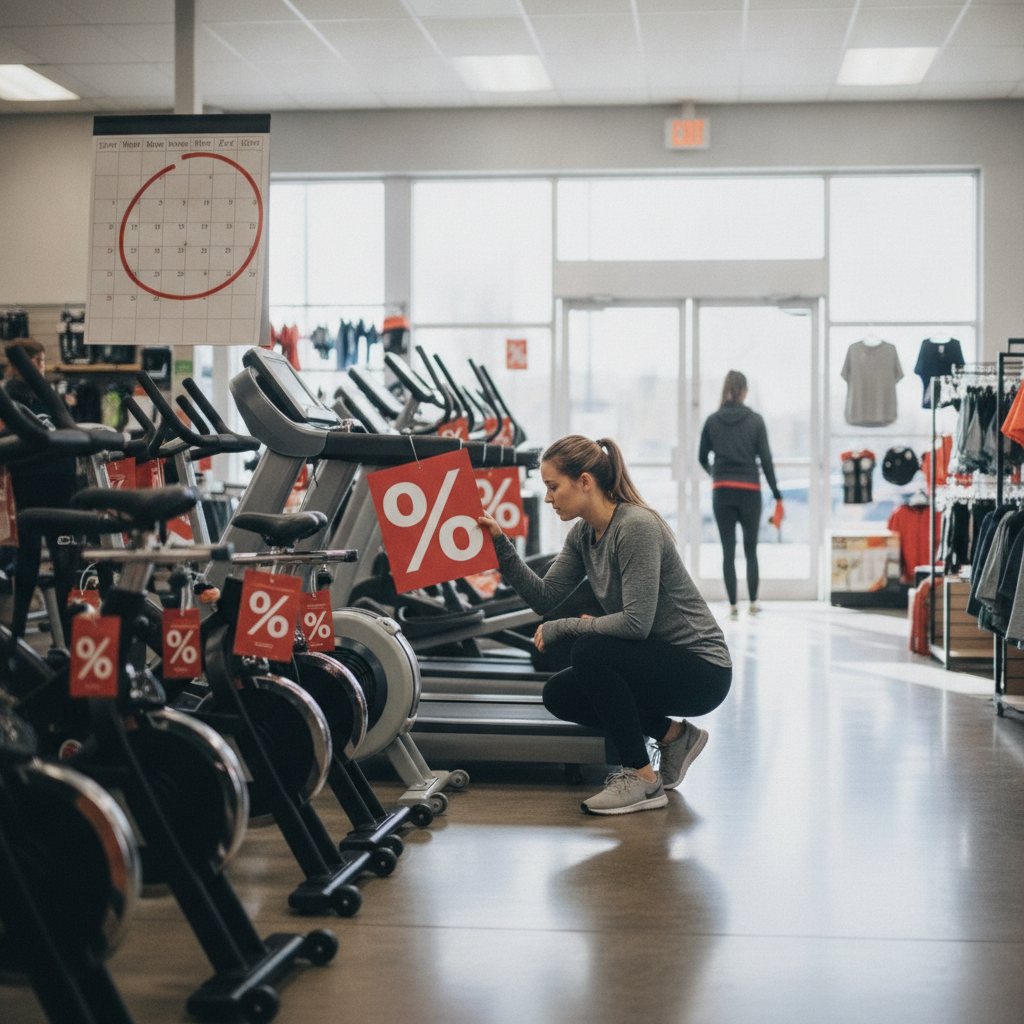
The first week of February tends to be a transitional period — retailers are still assessing sell-through rates and haven't yet committed to aggressive markdowns. But by the second week, the data is clear: foot traffic is down, cart abandonment is up, and warehouse space is needed for incoming Valentine's Day and spring inventory. This is when automated pricing systems on platforms like Amazon begin adjusting prices downward, and when retailers like Dick's Sporting Goods push promotional emails with meaningful percentage reductions rather than token discounts. The second week is where patience pays off in a way that the first week simply doesn't reward.
How to Track Prices Before the Window Opens
The best deals in the second week of February go to shoppers who have been watching price history for weeks in advance, not those who stumble across a sale email. Browser extensions like Honey or Camel CamelCamel allow you to set price alerts on specific products and view their full pricing history, which helps you recognize a genuine markdown versus a cosmetic one. If a kettlebell set has sat at the same price since November, a 15% reduction in the second week of February is meaningful. If the price was artificially inflated in January before being cut, the discount is largely theatrical. Knowing the difference is what separates a smart purchase from a satisfying-feeling one that isn't actually a deal.
The Categories That Drop the Most Sharply
Not all fitness equipment discounts equally during this window. Cardio machines — treadmills, rowing machines, stationary bikes, and ellipticals — tend to see the steepest reductions because they carry the highest price points, take up the most warehouse space, and are the items most frequently purchased impulsively in January and then returned. Free weights, resistance bands, and yoga accessories see more modest drops, since their lower price points and smaller footprints mean retailers feel less urgency to move them. If your goal is maximum savings per dollar, focusing on larger cardio equipment or home gym systems during the second week of February is the highest-leverage strategy available in this category.
Using Cashback Apps to Stack on Top of the Sale Price
The sale price itself is rarely the best price available if you know how to layer additional savings on top of it. Rakuten and Ibotta both offer cashback on sporting goods purchases through major retailers, and their rates often increase during promotional periods — which the second week of February frequently qualifies as. Combining a site-wide sale at a retailer like Walmart or Academy Sports with an active cashback portal rate means your effective discount is materially higher than the advertised markdown. Setting up your cashback accounts before the window opens, rather than scrambling to activate them mid-purchase, ensures you don't accidentally leave money on the table in the rush to complete a transaction.
Patience as the Smartest Fitness Investment You Can Make
There's a certain irony in the fact that the same discipline required to stick to a fitness routine is precisely what's needed to get the best price on the equipment that supports it. The people who bought their treadmill in the first week of January paid a premium for urgency. The people who waited six weeks, tracked prices, set alerts, and activated cashback paid noticeably less for the same machine. The second week of February doesn't reward luck — it rewards the shopper who understood that retail timing is a system with patterns, and that those patterns, once recognized, are entirely repeatable. Every sporting goods sale cycle will bring this window around again, and knowing it exists is half the advantage.