There's a particular kind of travel that feels genuinely unhurried — where the pace of the place matches the pace you actually want to keep. The Alentejo region of Portugal in early October is exactly that kind of place, and the timing makes it even more compelling. While the Algarve is still digesting the last of its summer crowds and charging accordingly, the vast, golden interior of Portugal is settling into harvest season, and room rates haven't caught up with how good it actually is to be there.
A Region That Rewards the Off-Peak Instinct
Alentejo sits in the southwestern interior of Portugal, stretching between Lisbon and the Spanish border, and most international visitors drive right through it on their way somewhere else. That's a significant advantage for the budget-conscious traveler. The towns here — Évora, Monsaraz, Marvão — are genuinely beautiful, UNESCO-listed in some cases, and almost entirely free of the infrastructure costs that beach towns absorb and pass along to guests.
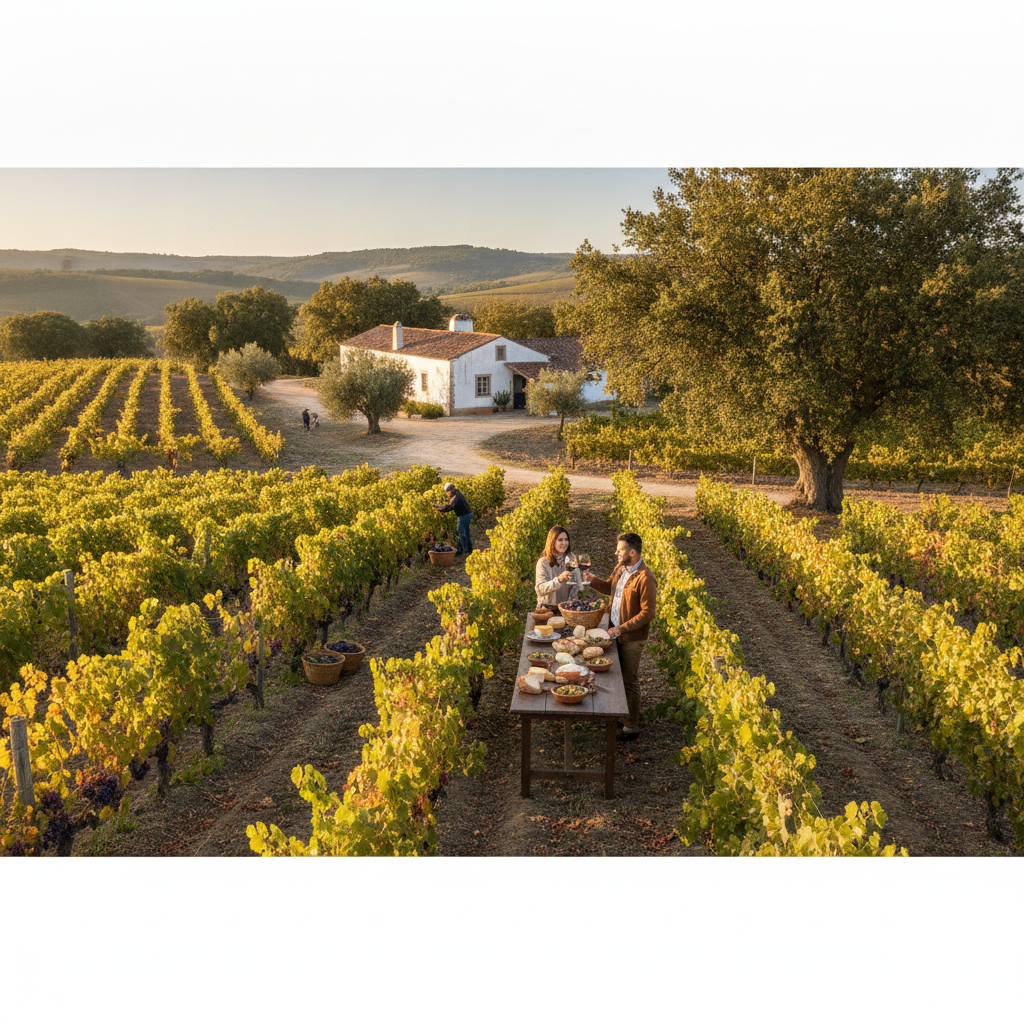
In early October, the olive harvest begins, the vineyards are still active from September's grape harvest, and the landscape turns warm shades of amber and rust. Temperatures sit in the mid-20s Celsius — warm enough for outdoor meals and long afternoon walks, cool enough for comfortable evenings. You're not sacrificing weather. You're just choosing a version of Portugal that costs far less to experience.
The Algarve in the same week can still run accommodation rates comparable to midsummer. Alentejo properties — from rural quintas to small boutique guesthouses in Évora's medieval centre — are often running at a fraction of that. The gap isn't marginal. It reflects the fact that mass tourism infrastructure hasn't fully landed here yet, and early October is one of the last windows before even regional interest picks up.
The Practical Cost Picture for an Alentejo Week
Flying into Lisbon and heading inland immediately keeps your transport costs minimal. The bus network from Lisbon's Sete Rios terminal reaches Évora in under two hours, and from there the regional network fans out to smaller towns. Renting a car from Lisbon gives you the freedom to reach places like Monsaraz — perched above the Alqueva reservoir, one of Europe's largest artificial lakes — without depending on limited rural schedules. Either approach keeps costs well below what you'd spend trying to arrange similar mobility in the Algarve.
Accommodation in Évora in early October can be found at genuinely reasonable rates using Booking.com or Hostelworld, particularly if you book two to three weeks ahead rather than last-minute. Rural tourism properties outside town sometimes list more favourably through direct booking, and many are small enough that a polite direct inquiry can unlock a better rate than any platform offers. Meals at local restaurants, especially away from the main tourist square, run well below Lisbon prices — the Alentejo is famously the origin of Portugal's most beloved comfort food, and lunch menus with wine included are still a realistic option here.
For tracking your travel budget in real time, Travel Spend is a clean, straightforward app that logs expenses by category as you go, which is especially useful when you're mixing cash and card across rural restaurants, market stalls, and guesthouses. Keeping a running daily total prevents the slow creep that often hits food-and-wine regions where each individual purchase feels modest but adds up quickly.
Timing the Visit Around What Actually Happens There
Early October in Alentejo isn't a passive experience. The olive harvest creates a kind of ambient energy across the region — you see it along the roads, at local markets in Estremoz and Arraiolos, and in the conversations at any café where locals gather in the morning. Some quintas welcome visitors during harvest. Others run informal tastings of the new olive oil alongside regional wines, particularly the increasingly respected reds from the Alentejo DOC, which have been drawing serious attention from wine travelers who don't want to pay Douro Valley prices.
The cork oak forests are another Alentejo characteristic that October makes especially visible. The trees are otherworldly in afternoon light, stripped in their lower sections from the summer harvest, standing in fields that feel genuinely ancient. Walking or cycling between villages through that landscape costs almost nothing and offers something the Algarve simply can't — a sense of geographic scale and stillness that feels like a different country entirely.
For flights, using Google Flights to set a fare alert for Lisbon six to eight weeks ahead of an early-October departure often surfaces prices that make the total trip cost remarkably lean, especially from northern European cities where Lisbon is a well-served route. TAP Air Portugal and easyJet both serve Lisbon heavily from major hubs, and October doesn't carry the summer premium that makes the same routes painful to book in July.
Skyscanner's calendar view is worth using specifically for early October windows — it lets you see the full pricing pattern across the month so you can identify the precise entry and exit dates that minimize airfare without sacrificing your stay length. Two or three days of flexibility on either end of a trip to this region can reduce your total flight cost meaningfully.
What to Watch as This Region Grows in Profile
Alentejo's relative obscurity among international travelers isn't permanent. The region has been appearing on more editorial travel lists, and the growth of wine tourism and agritourism accommodation is slowly building infrastructure that draws a broader audience. Early October sits in a window that still benefits from low awareness — the kind of timing that tends to close as a destination gains traction. Prices in places like Monsaraz and Marvão are still well below where they'll likely settle once the region becomes a standard recommendation rather than an insider suggestion.
The smartest move is to treat this as a finite window rather than a permanent condition. The atmosphere, the harvest timing, the gap in costs relative to southern Portugal's beach corridor — it all aligns in early October in a way that feels designed for the traveler who wants authenticity without paying a premium for it. That combination rarely lasts forever once enough people discover it, and Alentejo is clearly being discovered.